
Lower Summer Heat Gain
Reflective foil insulation at the roofline blocks radiant heat from the sun before it penetrates the roof space. This keeps the ceiling and upper rooms noticeably cooler during Clayton’s hot summers.
Clayton Roof Insulation
Foil-faced blankets and sarking installed at the roofline under tiles or metal sheeting to cut summer heat gain through the roof in Clayton homes.
Share your details and Expert Insulation Melbourne will contact you about Roof Insulation in Clayton.
Roof insulation is installed directly under your roofing material to block radiant heat before it enters the roof space. In Clayton, many homes with colourbond or tiled roofs experience excessive summer heat gain through the roof, making the ceiling space and upper rooms uncomfortably hot. Foil-faced blankets and sarking reflect up to 97% of radiant heat, keeping your home cooler without relying solely on air conditioning.
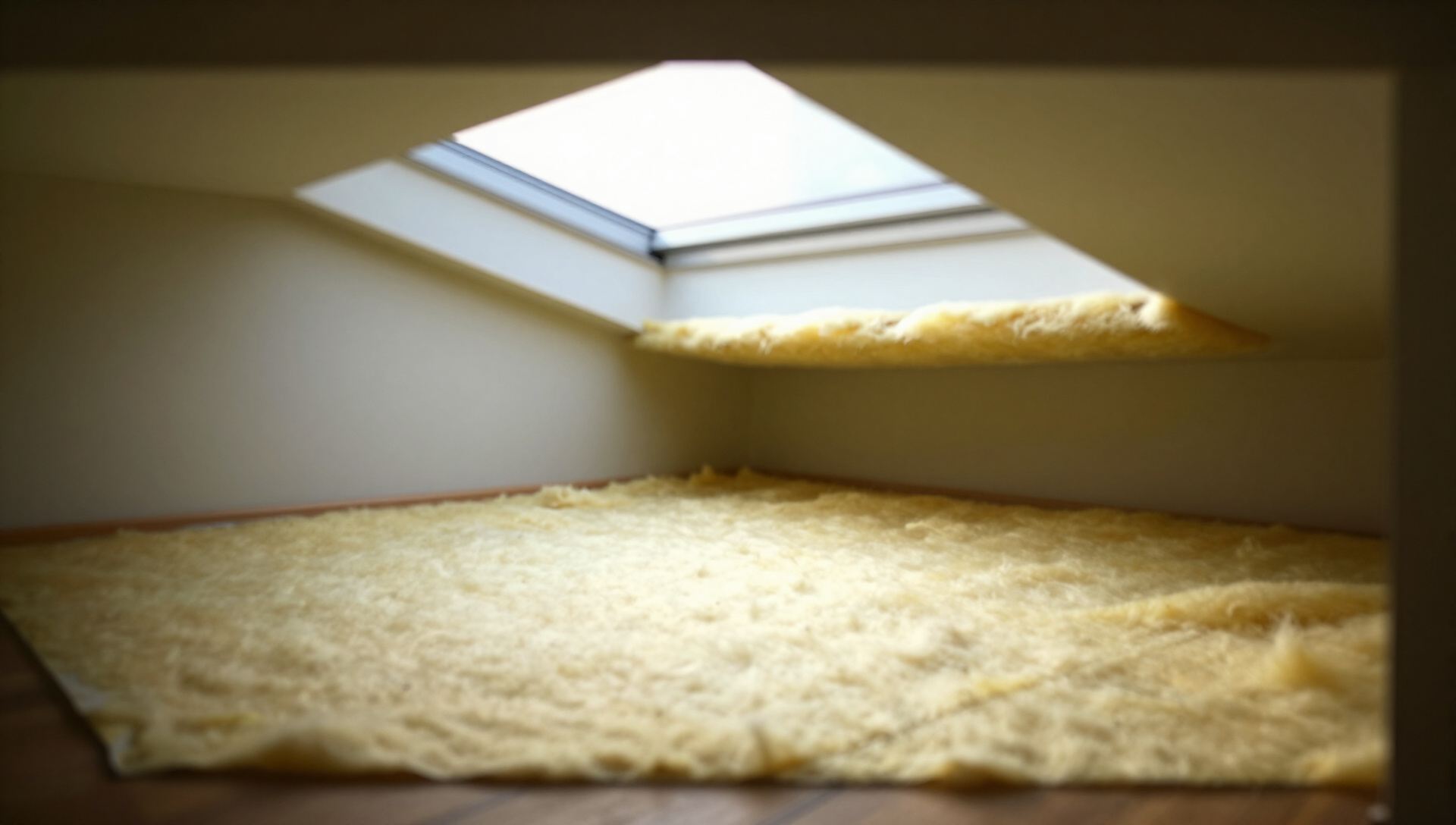
Clayton’s hot dry summers and heatwaves mean roofs absorb and transfer significant heat into the home. Roof insulation addresses this by stopping heat at the source, improving comfort and reducing energy costs.
Reflective foil insulation at the roofline blocks radiant heat from the sun before it penetrates the roof space. This keeps the ceiling and upper rooms noticeably cooler during Clayton’s hot summers.
By cutting heat transfer through the roof, your air conditioner runs less often and for shorter periods. This directly lowers electricity bills during peak summer months.
Rooms directly under the roof, such as second-storey bedrooms or living areas with cathedral ceilings, stay cooler and more comfortable without constant cooling.
Insulating at the roofline also protects stored items in the roof space from extreme temperature swings, which can damage belongings over time.
Roof insulation complements ceiling batts by addressing a different heat path. Ceiling insulation slows heat loss in winter, while roof insulation blocks summer heat gain.
Foil laminates and sarking are resistant to moisture, dust and pests, maintaining their performance for the life of the roof with minimal maintenance.
Installing roof insulation requires access to the roof space and careful placement to ensure full coverage and an effective air gap. The process is tailored to your roof type and existing structure.
We first inspect the roof space to confirm access, check for existing insulation and assess the roof structure. For tiled roofs, we ensure there is enough clearance between the tiles and the insulation layer. Metal roofs often have simpler access for foil installation.
Based on your roof type, we select the appropriate reflective foil product, such as foil-faced blankets or sarking. The material is cut to size to fit between rafters or under the roofing sheets, with allowance for overlaps and sealing at joints.
The foil is laid directly under the roofing material, ensuring it is not compressed and maintains an air gap for maximum reflectivity. For tiled roofs, the foil is draped over the rafters. For metal roofs, it is fixed under the sheets with the shiny side facing down.
All seams and edges are sealed with foil tape to prevent heat leakage. We also ensure the insulation does not obstruct ventilation or cover any roof-mounted services like cables or flues.
Clayton’s mix of older brick homes and newer estates means many properties have colourbond or tiled roofs that absorb significant summer heat. Roof insulation is particularly effective here, as it targets the primary source of heat gain before it affects the rest of the home. Nearby suburbs like Clayton South and Notting Hill share similar housing styles and climate exposure, making roof insulation a practical upgrade for the area.
Target summer heat gain at the source with roof insulation installed under tiles or metal sheeting in Clayton.
Homeowners in Clayton often have questions about how roof insulation works, its compatibility with existing setups and what to expect during installation.
Roof insulation in Clayton is a targeted solution for homes struggling with excessive summer heat gain through tiled or metal roofs. Unlike ceiling insulation, which slows heat transfer through the ceiling, roof insulation reflects radiant heat at the roofline before it enters the roof space. This is especially valuable in Clayton, where hot northerly winds and heatwaves can push roof temperatures well above 60 degrees, leading to uncomfortable indoor conditions and high cooling costs.
Foil-faced blankets and sarking are the most common materials for roof insulation in Clayton. These products are installed directly under the roofing material, with the reflective surface facing down to bounce radiant heat away. An air gap between the foil and the roof is critical for performance, as it allows the material to reflect heat effectively. For homes with raked or cathedral ceilings, where the roof space is exposed to the living area, roof insulation is often the only practical way to improve thermal comfort.
The cost of roof insulation in Clayton depends on the roof size, pitch and type, as well as access to the roof space. Steeper roofs or those with limited access may require additional labour, while simpler metal roofs can often be insulated more quickly. The chosen R-value is less relevant for reflective products, which are rated by their emissivity rather than thermal resistance. However, combining roof insulation with ceiling batts (typically R4.0 to R6.0) provides the best year-round performance.
Reduce summer heat gain and lower cooling costs with roof insulation installed under your tiles or metal roofing in Clayton. We inspect your roof space, recommend the right reflective product and ensure a clean, effective installation.