
Reduces winter heat loss
Uninsulated brick veneer walls allow heat to escape in winter. Cavity insulation adds a thermal barrier that keeps warmth inside, making living spaces more comfortable and lowering heating costs.
Clayton Wall Insulation
Expert Insulation Melbourne installs cavity wall insulation in Clayton brick veneer homes to cut winter heat loss and summer heat gain through external walls. The process uses small holes drilled into the mortar, with material injected into the cavity and the holes patched to match the existing brickwork.
Share your details and Expert Insulation Melbourne will contact you about Cavity Wall Insulation in Clayton.
Cavity wall insulation fills the gap between the inner and outer leaves of brick veneer walls with insulating material. In Clayton, this is done by drilling small access holes in the mortar joints, injecting the insulation and then sealing the holes. It is a cost-effective way to improve thermal resistance in existing brick veneer homes without removing cladding or internal linings.
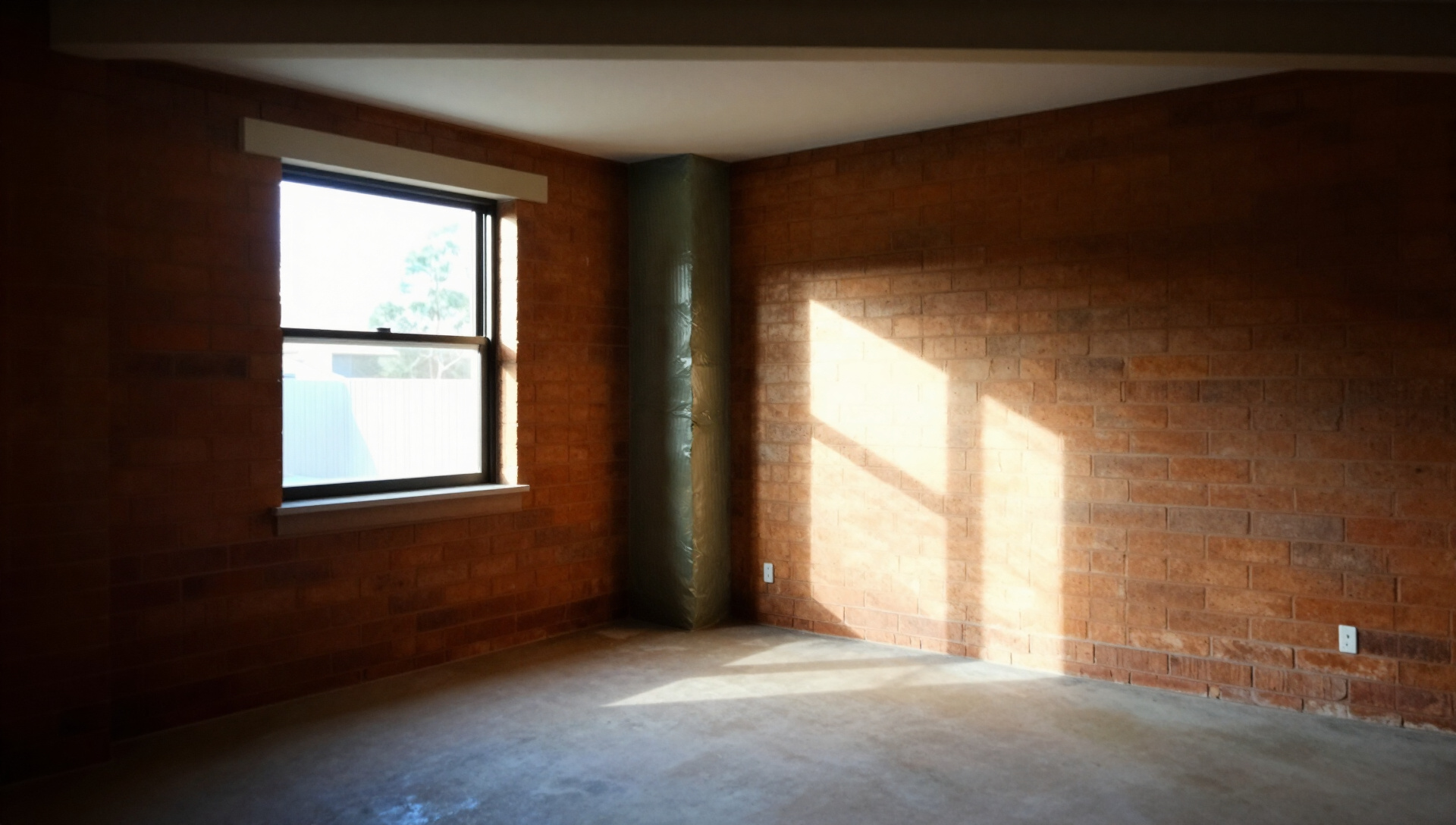
Clayton’s mix of older brick veneer homes and newer builds means many properties lose heat through uninsulated wall cavities. Filling this gap improves comfort and reduces reliance on heating and cooling.
Uninsulated brick veneer walls allow heat to escape in winter. Cavity insulation adds a thermal barrier that keeps warmth inside, making living spaces more comfortable and lowering heating costs.
During Melbourne’s hot summers, external walls absorb heat that radiates inward. Cavity insulation slows this transfer, helping to maintain cooler indoor temperatures without overworking air conditioning.
Gaps in brickwork and around windows can let cold air in. Cavity insulation fills the void, reducing air leakage and the chilly draughts that often affect older Clayton homes.
Unlike wall batts, cavity insulation is installed from the outside. This avoids the cost and mess of stripping plaster or gyprock, making it ideal for retrofits in occupied homes.
The added density in the wall cavity helps dampen external noise, which is useful for Clayton homes near busy roads or in denser suburban areas.
Once installed, the material remains in place and does not settle or compress over time, maintaining its R-value and effectiveness for the life of the building.
The installation is a clean, efficient process that typically takes a day for an average Clayton home. Access is only needed to the exterior walls, and the team works carefully to leave the property as they found it.
A technician checks the wall type, cavity width and condition of the brickwork. Suitability depends on the construction and moisture levels, as some walls may not be appropriate for cavity fill.
Small holes are drilled into the mortar joints at regular intervals. These are positioned to ensure even distribution of the insulation material throughout the cavity.
Insulating material, usually mineral wool or glasswool, is blown into the cavity under controlled pressure. The installer ensures the cavity is fully filled without over-packing, which could cause bridging or moisture issues.
The access holes are sealed with a colour-matched mortar to blend in with the existing brickwork. Any excess material is cleaned away, leaving the exterior walls looking unchanged.
Clayton’s brick veneer homes, particularly those built from the 1960s to 1990s, often have uninsulated wall cavities that contribute to heat loss and draughts. Cavity wall insulation is a practical upgrade for these properties, improving thermal performance without the need for internal renovations. The suburb’s proximity to Monash University and major roads means many homes also benefit from the added noise reduction.
Fill the gap in brick veneer walls to reduce heat loss and draughts in Clayton homes.
Homeowners in Clayton often ask how cavity wall insulation works, whether their home is suitable and what to expect during installation. Here are the key details.
Cavity wall insulation in Clayton targets the air gap between the inner and outer layers of brick veneer walls. This space, if left uninsulated, allows heat to escape in winter and enter in summer, increasing energy use and reducing comfort. Filling the cavity with insulating material such as glasswool or rockwool improves the wall’s thermal resistance, typically adding R2.0 to R2.7 depending on the product and cavity width.
Many Clayton homes built between the 1960s and 1990s feature brick veneer construction, which was often left uninsulated. This makes cavity fill a cost-effective retrofit, as it does not require removing internal wall linings or external cladding. The process is carried out from the outside, with small holes drilled into the mortar, insulation injected and the holes sealed to match the existing brickwork.
Signs your Clayton home may need cavity wall insulation include cold walls in winter, draughts near external walls and high heating or cooling bills. An assessment will confirm if the wall type and condition are suitable. If old insulation is present and may contain asbestos, work stops until a qualified assessor inspects it.
Expert Insulation Melbourne installs cavity wall insulation in Clayton brick veneer homes. Call 0399695249 or email info@expertinsulationmelbourne. com. au to arrange an assessment.